Den franska studion Don't Nod är mest känd för sina storytunga äventyr såsom Life is Strange, Tell Me Why och Twin Mirror. På senare tid har de också börjat med att själva ge ut spel och deras första publicerade projekt från en extern utvecklare släpptes för bara en vecka sedan i form av Gerda: A Flame in Winter, utvecklat av den danska studion PortaPlay.
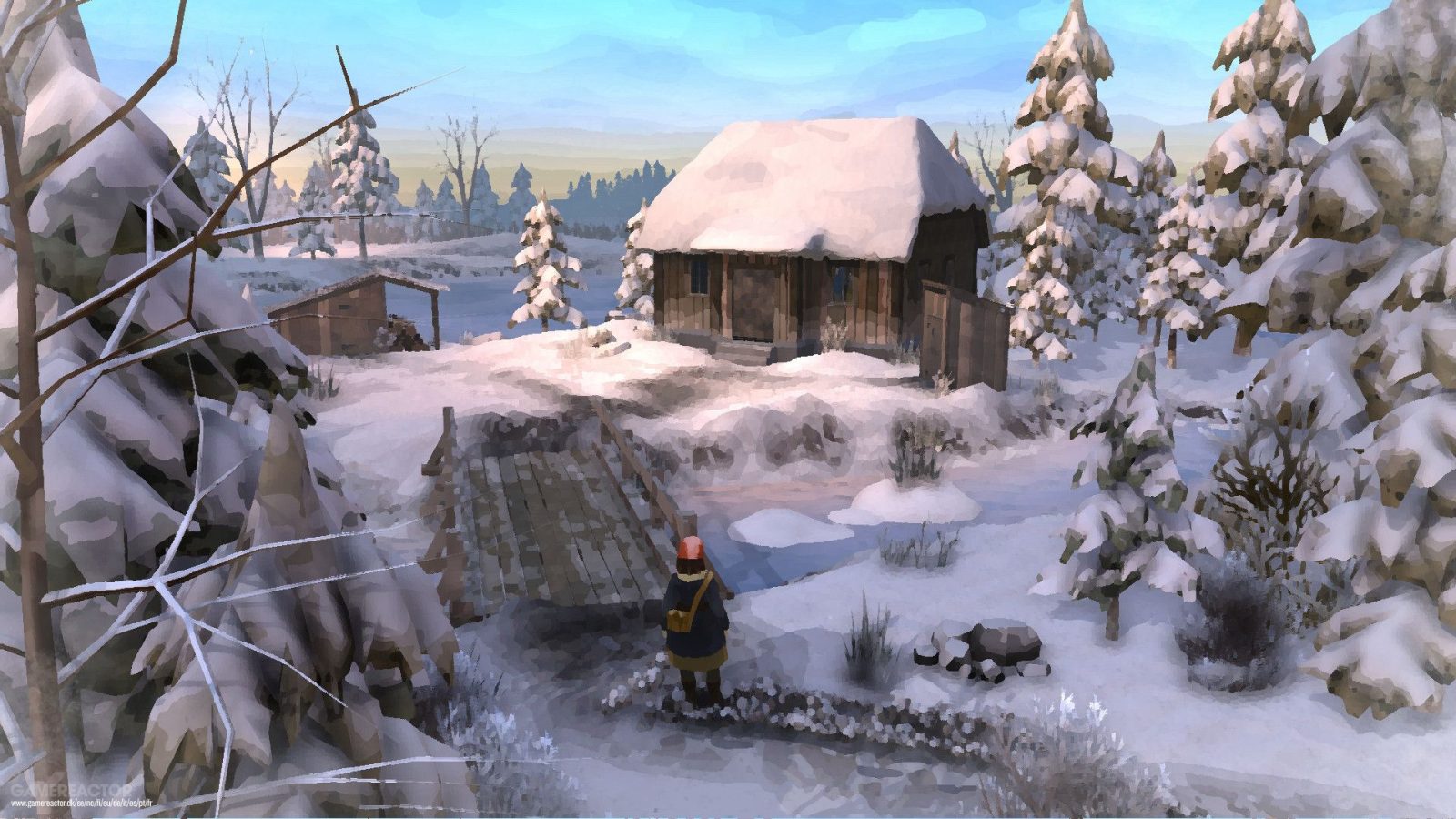
Gerda: A Flame in Winter har flera likheter med Don't Nods egna titlar och är ett äventyrsspel fyllt av svåra val och välutvecklade karaktärer. Men när det gäller kameran har utvecklaren valt att frångå det vanliga tredjepersonsupplägget för att istället begagna sig av ett uppifrån-och-ned-perspektiv. Game director Hans Knut von Skovfoged förklarar:
"Our idea was to show Gerda, who she was. Just a little person in a big world which are kind of alone in her effort to save her loved ones. She is walking around in Tinglev, this very flat landscape with a big sky, and she looks very small in the game because that is how she feels herself. She feels lost, she feels alone, and she is searching for what to do," explains game director Hans Knut von Skovfoged.
En annan anledning till perspektivbytet hade att göra med den övergripande konststilen. Eftersom spelet utspelar sig i Danmark ville utvecklarna hylla landets mest kända konstnärsgrupp - Skagen Painters.
"The art style is inspired by a period in Danish impressionism, the golden age of Danish paintings," explains lead game designer Shavel Moran. "We wanted to make a nod towards Danish culture, because this game is not just about the war, it also about bringing the unique culture of a region, that is very rarely depicted in video games and other popular media at all. So we went to those painters, not just because of the cultural connection to the region, but also because those painters actually worked in that region of South Jutland. It's a region that has a very flat landscape, but very big skyscapes. And those skyscapes, with the overcast clouds, create very unique, beautiful, and moody lighting. Those painters, also called the Skagen Painters, they knew how to capture this unique lightning."