Visst lägger Valve mycket resurser och arbetskraft på att underhålla Steam-plattformen, och de utvecklar och lanserar också hårdvara som Index och nyligen Deck, men när det gäller att utveckla stora spel, något de tidigare varit mycket framgångsrika på, är de inte särskilt produktiva.
Faktum är att det kan gå många, många, många år mellan lanseringarna, och det verkar inte riktigt finnas något mönster, eller ens någon önskan att utveckla mer mjukvara. Hur kan detta vara möjligt? Erik Wolpaw, som arbetat som manusförfattare på Portal, Portal 2 och Half-Life, förklarar. I den senaste upplagan av podcasten My Perfect Console säger Wolpaw att Valve faktiskt inte har så många anställda som du nog kanske tror:
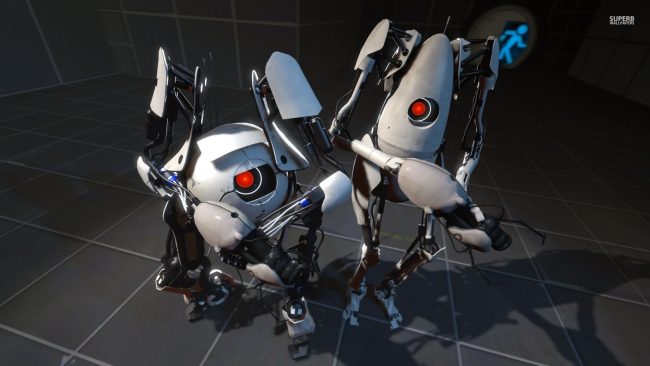
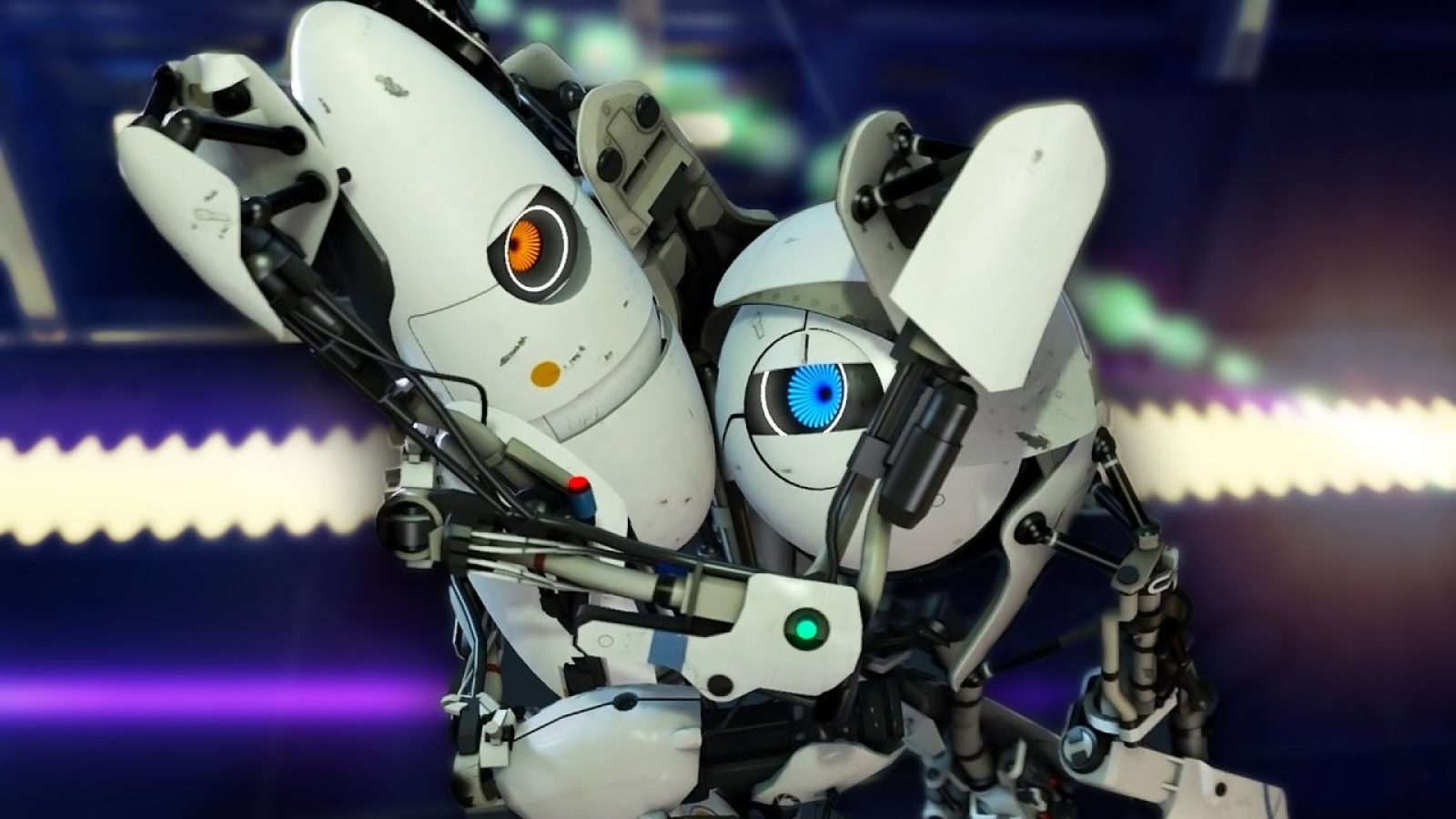
The real reason is that in a flat structure like Valve's, there is an opportunity cost to doing anything. Whatever is going on at Valve right now requires the dedication and participation of the people working on it, and it is voluntary. I would like to make a Portal 3, but I understand.
Han trycker även tillbaka mot argumentet att Valve inte gör någonting, och säger:
"I don't think so. I mean, to whatever extent you appreciated Half-Life: Alyx, we released that. I think long tail games affected that in a way that is maybe more impactful than Steam. Keeping CS: Go and Dota 2 going, for a small company...The thing is, Valve is not a giant company. I think people sometimes think it is because of the outside influence of Steam, but it's not really that many people. It takes manpower to keep CS: GO going; it takes manpower to keep Dota 2 going. And the freeform nature of Valve means there are a lot of experiments that simply fail. So, things are happening. If you were inside, you'd think stuff was always going on, because it is. It's a manpower problem. You have to pick what you're working on and time is limited."